Starting and making your impact in a fast-evolving digital world has become difficult in this era of cutthroat competition. However, a unique marketing approach can grow your business immensely, giving it the visibility it rightly deserves-Influencer marketing for startups.
If you have just created your startup, it's time to place yourself in the digital arena. Traditional forms of advertising have an enormous cost and do not attract the right target audience. This is where the proper influencer marketing for startups can assist you in giving your business a boost. Rather than dedicating your time to creating ads, you can communicate directly with the target audience through influencers in your niche.
This article will explain the concept of sustaining influencer marketing and how it has affected the startup regarding visibility updates, building brand image, and ramping up sales revenue.
What Is Influencer Marketing for Startup Companies?
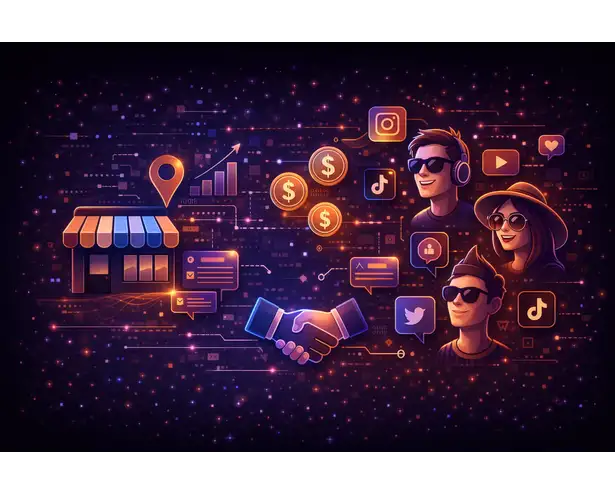
Let it put into practice all the efforts to involve individuals with an influential and powerful presence on social media whose sole objective is to join the dots for your product or services with diverse audiences. They have a loyal following, an engaged set of people who trust the opinions of the influencers. From beauty and fashion to fitness and gadgetry, influencers can pitch the buyer's decisions in their favor, making it the best backup a startup can have to get established in an industry.
The Influencer marketing strategy is helpful for startups as it lets them reach a large audience without the need for huge budgets. Influencers provide credibility for a brand and reach the niche audiences they represent; they also support the marketing campaign.
Types of Influencers to Collaborate
There are different types of influencers, and knowing which ones to work with according to your brand is very important; they can be classified as follows based on their number of followers, engagement rates, or even niches:
Nano-Influencer (1k - 10k followers):
Nano-influencers are social media users with an insignificant follower count, and marketing is simply about engaging their followers. They mostly have an audience with niche qualities, creating a strong bond between the influencer and followers. Their recommendations have a higher impact. They use authenticity and credibility quite well, which works great for startups hoping to build the trust of their brand.
Micro-Influencer (10,000 - 100,000 followers):
Those operating on a smaller scale with audiences of less than 100,000 are close to getting a proper equilibrium between reach and engagement. But, in contrast to any nano-influencer, micro-influencers still have a much broader reach but maintain closeness with followers, thus earning relatability and trustworthiness from their audience. These two qualities are vital to any startup wanting to carve a niche.
Macro-Influencers (100,000-1 million followers):
Macro-influencers' optimism is indexed with a wider audience with broader demographics. This can range from celebs to renowned bloggers or industry experts. Macro-influencers are the best for achieving frontage in a startup, but their costs are higher than those of other influencers. However, macro-influencers will initiate the discussions if your startup is about to take risks and invest in large-scale campaigns.
Mega-Influencers (1 million+ followers):
These are people starting to weigh in on A-list celebrities and/or public personalities with a vast global audience. The budget for their services can run far beyond that of the average startup. These influencers can be considered when your product or service guarantees mass visibility, in which case merchant runs can hold high-volume campaigns for micro-influencers.
11 tips that pave the way to influencer marketing for startups
When you utilize influencer marketing, it is much more exciting, and when strategically undertaken, you can maximize benefits. As a starting point, there are 11 tips that you can use to grab the attention of influencers with your startup:
1. Identify Your Target Audience and Niche
Before collaborating with an influencer, it is always best to clearly understand the target audience. Who are your target customers? What problems are they facing? How can your product help to relieve these problems? Such clarity about your niche and target audience will be required when identifying influencers that cater to followers reflecting your target demographic.
2. Find the Right Influencers
Work with influencers who resonate with your brand values. The most important values are audience characteristics that align with your target customers. The actual engagement rate is the most sought-after. The sense of authenticity genuinely matters rather than lumping down others who exhibit mere numbers of followers!
3. Build Strong Relationships with Influencers
Relationships with influencers should be maintained as partners in building strong bonds rather than just advertisements. That builds trust, and in return, influencers will care much more about co-creating great content with you and for your brand.
4. Create High-Quality Content
Content is all-important. You and your influencer should work to create high-quality, original content that has high intrinsic value for the joint marketing project. Collaborate with the influencer's team to create content relevant to their audience that integrates well with your brand.
5. Use All the Other Possible Platforms and Channels
Influencer marketing doesn't have to be restricted to Instagram alone. Other platforms like YouTube and TikTok, Twitter, and even blogs can host your campaigns. Check where your target audience hangs the most. Personalized content across all platforms is paramount to accelerating any campaign since it will reach most of your audience.
6. Tracking Key Metrics
The influencer campaign's KPIs include engagement, impressions, website traffic, sales conversions, and social media mentions. You can determine each marketing campaign strategy's success, allowing you to measure your ROI.
7. Allow the Influencers to be Creative
Let the influencer make the content in whatever way they feel is appropriate. After all, they know their audience better than anyone. An authentic endorsed post resonates more than a pushed advertisement.
8. Social Media Takeover
An influencer takes over your brand's social media account for a specific timeframe. This allows them to connect with your audience in their way and build some hype; this is where the standards of awareness and engagement come into play.
9. Create a Sustainable Influencer Marketing Budget
A budget is sustainable for all your influencing targets and what you can afford. Influencer marketing is also likely an option for people with limited budgets, as the costs of these micro-influencers are much lower than those above them on their scale.
10. Comprehend the Legal and Ethical Factors
Rigid government rules are expected for influencer marketing startup-set contests. Likewise, Federal Trade Commission (FTC) regulations have instructed influencers to specify whether their content was sponsored.
11. Alter, Adjust, and Redefine Influencer Marketing Strategies
Influencer marketing is not static; strategies should be regularly evaluated and altered. Keep measuring campaigns' performance and adapt them accordingly based on your accurate interpretation of results, observations, and emerging trends.
Conclusion
Influencer marketing can be great for new startups' brand visibility, creating optimum trust and scaling the consumer base. It heavily depends on renowned personalities within the industry to reach the target audience, build relationships, and sell. Think you have an open mind that is always experimenting, from planning and strengthening relationships to launching new campaigns. Are you on the edge of pivoting the latest trend in influencer marketing that your startup should embrace or fall behind? Partner with Fusion Logic to help you design strategies to put your startup in the spotlight.
Contact us today to start engaging the power influencers with you, build solid relationships, and take your business to the next level of success!
FAQ: Influencer Marketing & Startups
1. Approaching Influencers:
One must research thoroughly before spotting influencers for the startup. BuzzSumo, Influencer.co, and similar tools are great platforms for spotting niche influencers to contact.
2. What costs can be expected for influencer marketing?
Such costs can vary according to the parameters by which you will measure them, such as micro, mega-influencers, or macro or mega-influencers with an extremely high cost.
3. Is influencer marketing applicable to startups?
Definitely! Influencer marketing is cost-effective when it comes to locating and correlating the audience. Some micro-enterprises or start-ups gain momentum faster than others.
4. 4. What metrics can be employed to measure campaign effectiveness?
Success could carry various definitions, including engagement rates, website hits, headcount conversion rates, sales volume, and social mentions.
5. Is there any risk involved in influencer marketing?
Influencer marketing sounds too glamorous, but it can be dangerous to the brand. Hence, the selection must be thorough and conscientious once the investment is made in unique influencer research.