Traditional marketing has shaped how companies and organizations connect with the target market and the customer in general. What marketing strategies can one find in today's world of accelerated speed and digital reality? Digital marketing provides business developers with the means for customizable experiences, long-term interactions, priceless relationships, and tangible results. Whether you have a small or enormous company, digital marketing lies at the core of accomplishment in the present reality.
In this blog post, we shall explain digital marketing, how it works, and why it is necessary for companies of any stature.
Overview of Digital Marketing
Digital marketing involves delivering products or services to customers through various digital media touchpoints, including Web 2.0, Google, Yahoo, Facebook, Twitter, emails, and more. It is also about using technology tools such as social media, Twitter, or even an app to reach audiences.
One of its most significant advantages is that it can accurately select target audiences. Through Google Analytics campaigns, businesses can track specific customer behaviors that apply to their type of business and design their campaigns accordingly.
Key Advantages:
- Global Reach: Businesses can reach vast audiences beyond their geographic locations.
- Cost-Effectiveness: Even small companies can launch effective campaigns for relatively low amounts.
- Measurable Impact: Monitor the progress in real-time and Analyze and use data effectively.
- Improved Engagement: Customers can be engaged more closely with the help of interactive content.
What Is Digital Marketing?
Digital marketing is marketing communication that involves the use of Online Media. Its primary purpose is reaching potential consumers in their respective territories. It ranges from social media ads, email campaigns, and optimized websites to other strategies.
Businesses today need:
- Build brand awareness
- Lead generation of high-quality leads
- Building good rapport with customers
- Achieve competitive advantage in a saturated market
Digital Marketing is not just a form of advertising; it is about crafting experiences connecting to consumers' pain points. It is a refined way that adapts and learns using the latest technology to align with changing consumer preferences.
How Does Digital Marketing Work Exactly?
Digital marketing involves both strategy and execution, emphasizing continuous and progressive optimization. Here's how it works step by step:
- Target audience analysis
Business launch campaigns clearly understand the demography, preferences, and pain points of the customers they are targeting. Utilizing buyer personas and analytics tools provides powerful insights based on actual data.
- Choosing the Right Platforms
Different platforms serve specific objectives. For example, search engine marketing focuses on common keyword search intent, visual content sharing & video broadcasting on social media platforms, and LinkedIn is widely used for B2B marketing.
- Content Creation
Content forms the core of any digital marketing campaign. Marketing agencies generate the right content which is meaningful and informative to solve their client's issues. The material that may appear in marketing includes blogs, videos, e-books, infographics, newsletters, etc.)
- Campaign Execution
After developing the strategy, the campaign can be executed using tools such as Google Ads, Facebook Ads, or email marketing platforms. This method ensures that the campaigns remain focused through consistent monitoring.
- Analyzing Data and Optimizing
After a particular campaign is initiated, companies scrutinize it. It comprises click-through rates, bounce rates, and conversions. They work on those strategies for a better outcome as the data comes up. For example, if a company notices high website traffic but few visitors purchase, it may indicate problems with CTAs or a complicated check-out process.
Enhance your marketing strategy with our cutting-edge solutions at Fusion Logic. Contact us today to customize your marketing approach to align with the digital landscape!
Types of Digital Marketing
Digital marketing includes several techniques, each designed for achieving particular objectives. Let's delve into the major types:
- Search Engine Optimization (SEO)
SEO supports ranking websites in Google, Binge, and Baidu. Properly developing keyword analysis and content strategy and linking it to other relevant websites will attract more organic traffic.
- Content Marketing
Content Marketing is defined as developing informative, recreational, or problem-solving communication. Some content marketing examples are blogging, video, papers, newsletters, and eBooks.
- Pay-per-click Advertising (PPC)
Pay-per-click ads work on the web and social media platforms like Google, Facebook, Instagram, and LinkedIn. Marketers invest when people click on the ads to become effective ads. Organic and paid posts should go hand in hand because paid posts may engage more people and reach the brand more.
- Social Media Marketing (SMM)
Almost all social media platforms like Instagram, Facebook, LinkedIn, and Twitter allow business people to interact directly with their target customers.
- Email Marketing
Although old as the Internet, email campaigns remain stable and effective in maintaining leads and encouraging customer retention.
- Influencer Marketing
By combining with influencers, businesses can target the new population through word-of-mouth marketing.
- Affiliate Marketing
Companies work with affiliates who sell their products to their target market and make profits if the former makes sales.
- Video Marketing
Some of the best ways to advertise a product are through explainer videos and product demo videos that educate and entertain. Marketing is conducted on platforms such as YouTube and TikTok.
Benefits of Digital Marketing
Digital marketing offers numerous benefits, including:
- Precise Targeting: This means specific demographics can target consumers.
- Cost Efficiency: Best for low-budget companies.
- Flexibility: This feature enables real-time adjustments to campaigns based on their performance.
- Scalability: Business strategies can be progressive. The progress can be precisely measured and scaled.
Some Challenges to Digital Marketing
SEO has multiple positive factors, but it has some disadvantageous factors that cannot be taken lightly.
- High Competition: Imagine a situation where anyone and everyone who wishes can open a business venture; it becomes rather hard to be seen.
- Algorithm Changes: Change is constant due to frequent updates in search engines and social applications.
- Maintaining Authenticity: Buyers like more engaging messages less focused on marketing.
The following is a breakdown of how businesses can overcome these challenges:
Trends in Internet Advertising
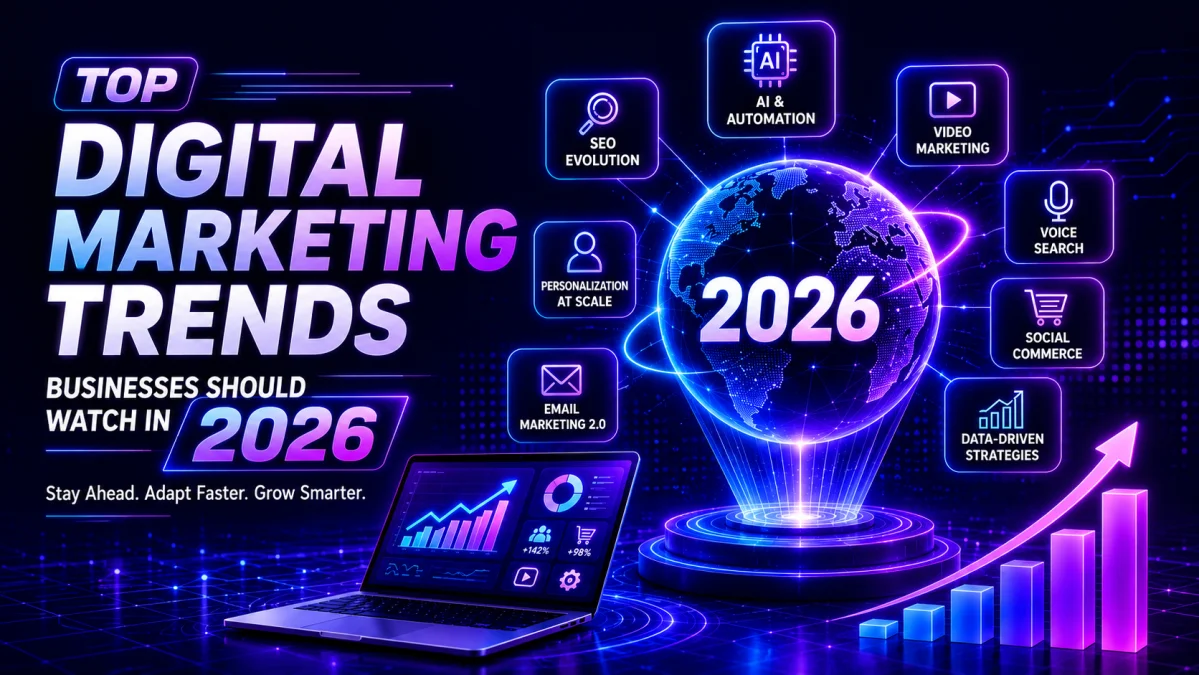
There have been many changes in the area of online advertising and promotions. Some trends shaping the future include:
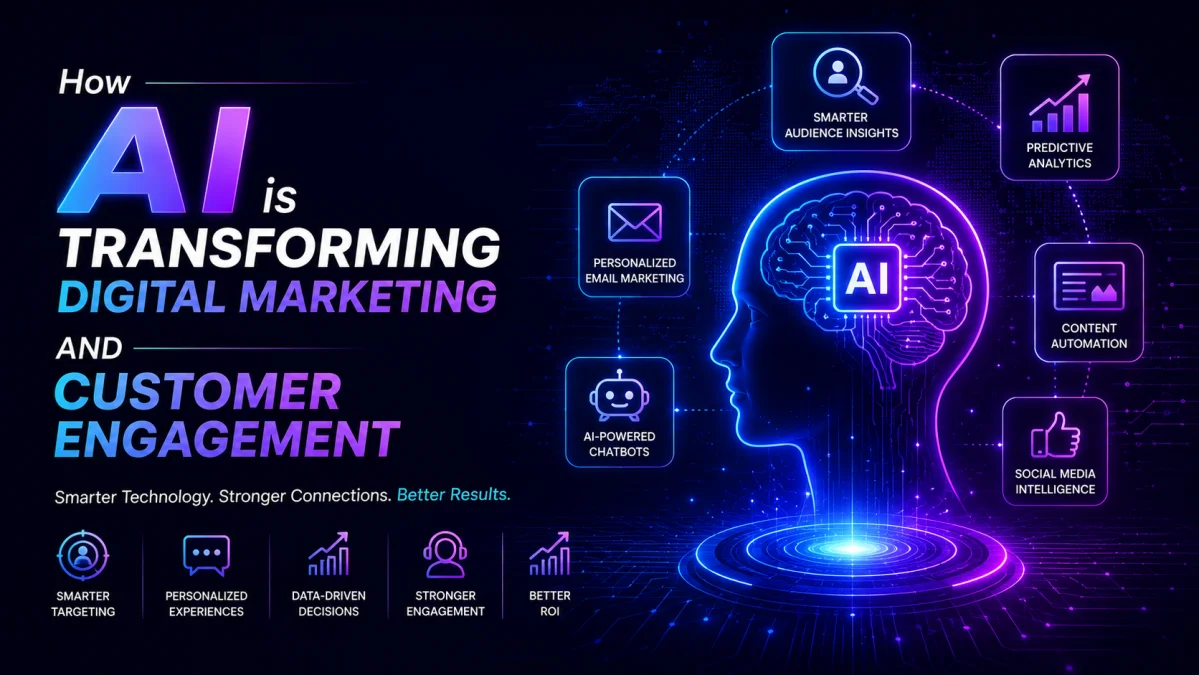
- AI-Driven Campaigns: AI enables organizations to offer users customized and more compelling experiences.
- Voice Search Optimization: Voice search has become necessary because of the adoption of smart devices such as Alexa speakers.
- Augmented Reality (AR): AR offers product demonstration possibilities that can be engaged interactively.
- Sustainability Marketing: Sustainability practices cause brands to appeal to the self-identity of the environmentally aware consumer.
Conclusion
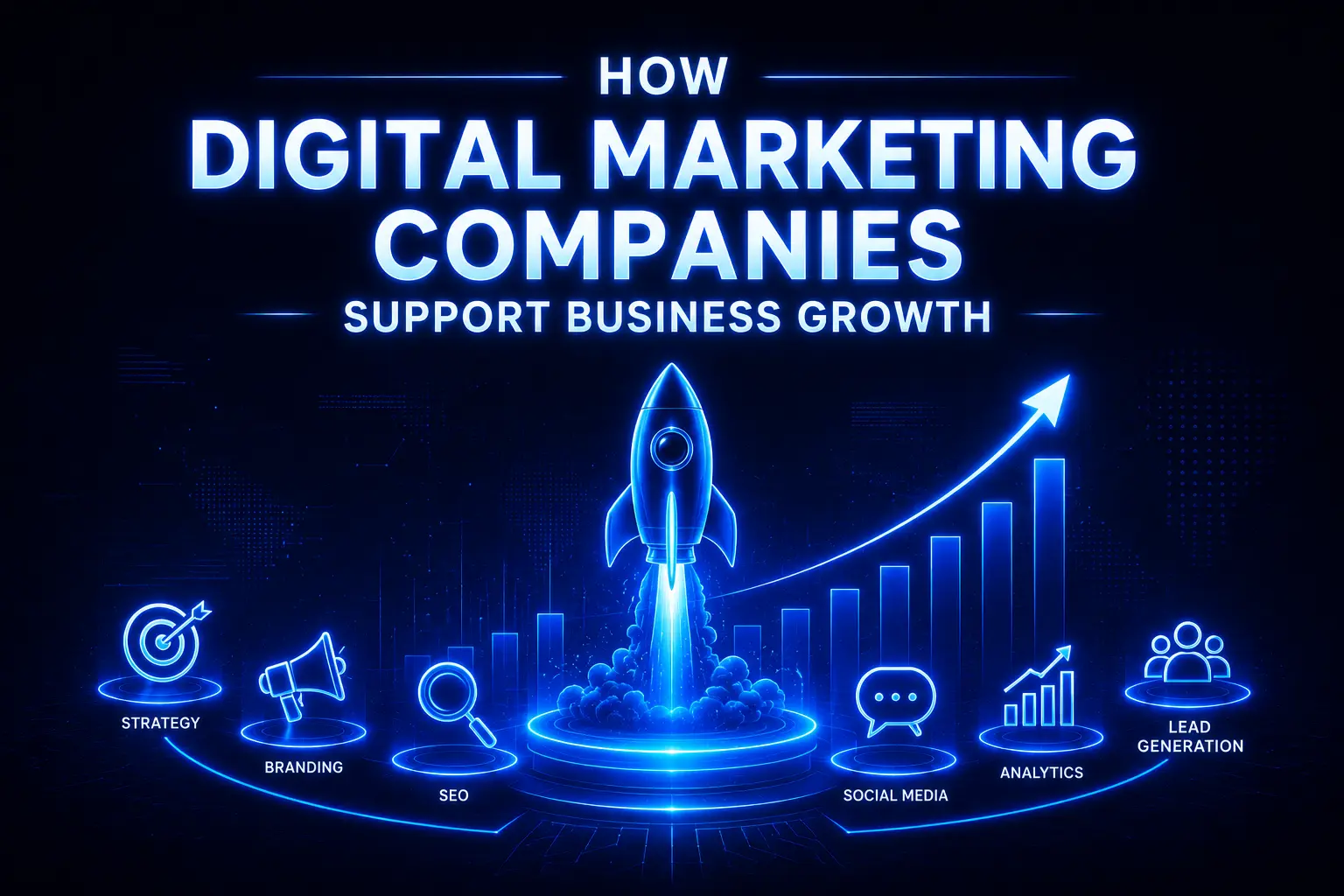
Marketing through the use of technology is essential for commerce in the current world. It helps brands reach out to their public, establish credibility, and attain tangible business development. It ranges from SEO to influencer collaborations and anything in between.
There is always dynamic advancement concerning trends that firms must follow and modify their operations to match this progress. If this is your first foray into marketing online or if you have sold online and want better results, now is the time to start getting acquainted with the basics.
Would you like to know more about advertising the business online? You can contact Fusion Logic today and let us start developing success strategies for your business!
FAQs
- Digital marketing helps several industries, but what are these industries?
Most market niches and sectors rely on digital marketing in retail, healthcare, education, or technology.
- What is the difference between conventional and digital marketing?
Digital marketing, therefore, concerns the use of digital technologies to communicate products characterized by real-time or two-way communication and focused and mass communicative communication, which is not usually associated with traditional marketing.
- Is digital marketing possible for small businesses?
Yes! Digital marketing is affordable and gives higher returns, which can benefit small businesses.
- How long does it take to get an initial response?
Results vary. While SEO may take 3-6 months, PPC, on the other hand, gives almost immediate results. On the one hand, there is the question of whether to do digital marketing yourself or hire professional services.
If companies hire experts, they can be sure of a balanced approach and improved outcomes, besides the fact that it is cheaper in the long run.